
The Story of Captain in Komodo: 20+ Years of Experience Ensuring Safety While Sailing

Fitriyawati
January 10, 2026
11 min read
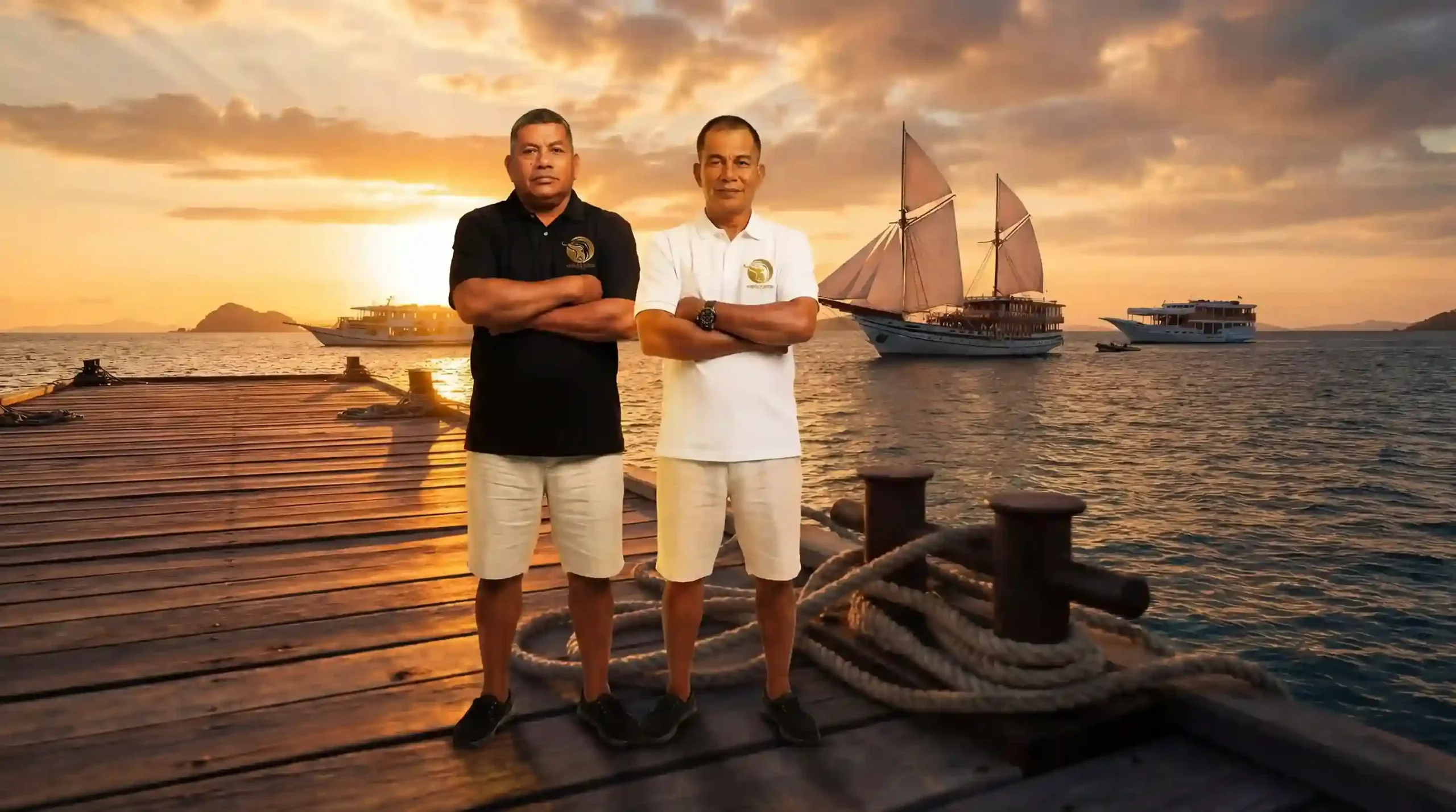
For many of people, the Komodo seas are a tropical paradise, with crystal-clear waters, stunning islands, and rich marine life. Yet behind this beauty lies a great responsibility that is rarely seen, the responsibility of captains like Hasyim Anggu and Ibrahim. For those who spend their days at the helm in the waters of Komodo and beyond, safety is not just a slogan or theory on paper. The lives of passengers, crew, and the vessel itself depend on every decision made on the waves.
Here, we’ll explore the real Komodo seas through the eyes of experienced local captains and see how years of hands-on experience and deep understanding of the waters shape every decision, every maneuver, and ultimately, every safe Labuan Bajo sailing trip.
Born and Raised at Sea: The Captains’ Connection to Komodo Sea
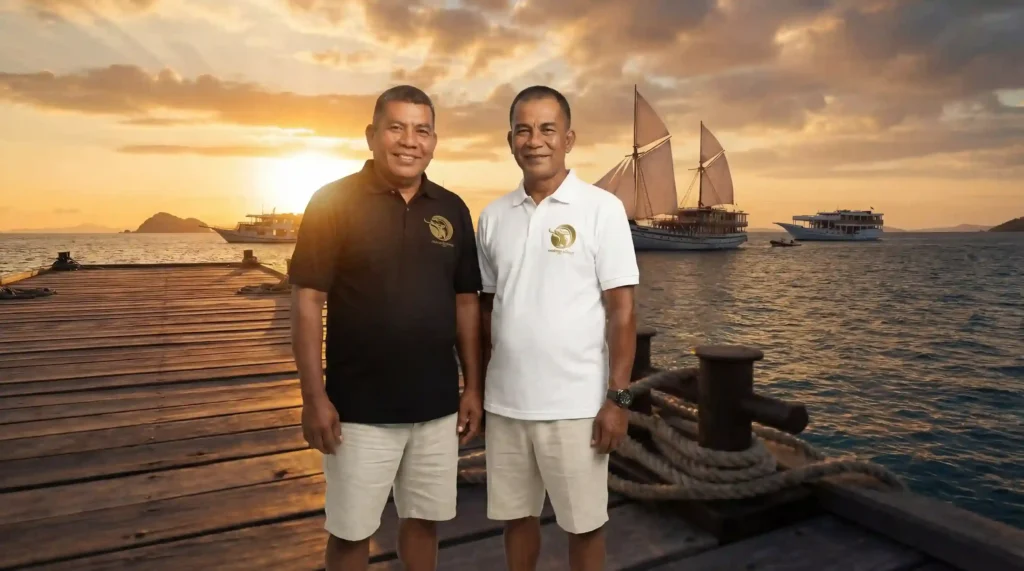
For Ibrahim, the sea has never just been a workplace, it has been a part of life since childhood. Before becoming a captain, he spent over ten years fishing using traditional methods, without modern navigation tools. Mountains, rocks, wind direction, and currents guided him. “When fishing at night, we use the mountains or rocks as reference points. Feeling is essential. The sea is the greatest teacher,” he says. This experience shaped his instincts and navigation skills, which he now brings to every voyage as a captain.
Meanwhile, Hasim has been navigating Komodo waters for more than twenty years. Born and raised in Labuan Bajo, he knows every detail of the local sea, from calm currents to powerful flows invisible to the untrained eye. “At sea, small decisions can have huge impacts. Every wave, every current, I know what’s safe to pass and what to avoid,” he explains. Decades of experience have honed Hasim’s instinct to read the sea, even without relying on modern navigation.
For both captains, local knowledge and a deep understanding of the sea, from narrow straits to unpredictable currents, are key to passenger safety. Knowing Komodo waters isn’t just about theory or certificates, it’s about intuition, instinct, and respect for a constantly changing nature.
Why Listening to the Captain Matters?
A captain is not just a ship driver but the highest decision-maker at sea. The lives of everyone on board are in their hands, and every decision, from slowing down, changing course, to delaying departure, can save or endanger lives. “My decisions to adjust speed or route aren’t out of fear, but based on calculations of the vessel’s weight, waves, and current conditions,” says Hasyim Anggu. According to him, if a boat moves too fast in high waves, the waves will control the vessel, not the other way around.
Ibrahim adds that experience and intuition are crucial. “Listening to the captain isn’t about ego; it’s about preventing risks you can’t see from land. If I say wait until the weather is right, it’s not a formality, it’s about saving everyone on board.” In over a decade of leading vessels, Ibrahim has never experienced a sinking under his command. He emphasizes that reading natural signs, wind direction, wave patterns, and changing currents can determine safety.
Trusting the captain also means following instructions to protect both crew and passengers. “The crew must be alert, prepare life jackets, and ensure passengers are in safe positions. Everything works if we trust the captain,” adds Ibrahim. Hasyim Anggu sums it up: “The Komodo seas change every day. Listening to the captain allows years of experience to keep everyone safe.”
Komodo’s Sea: Reading Currents, Waves, and Weather
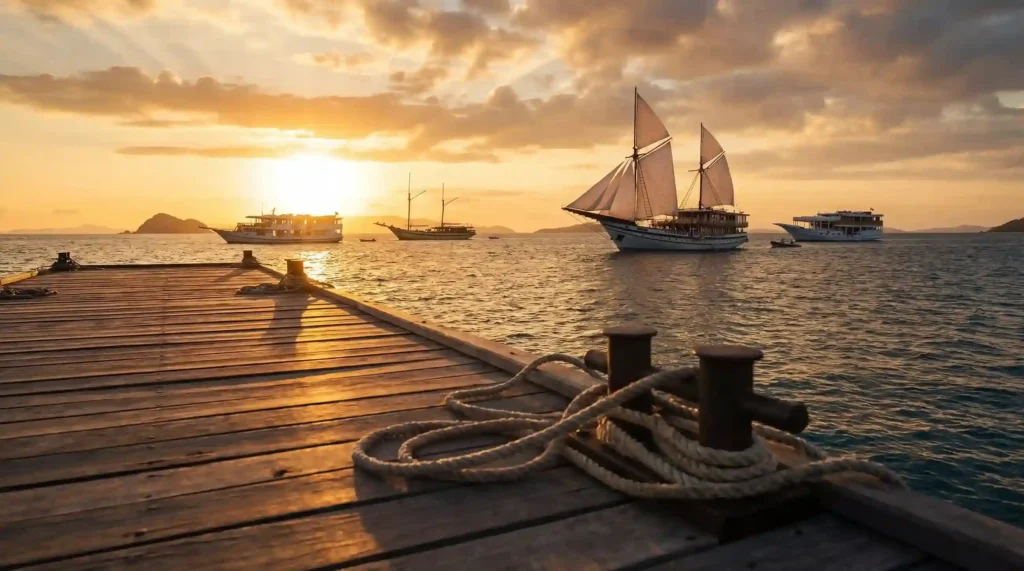
Reading Komodo’s waters goes beyond checking a weather app or digital map. Experienced captains observe wind direction, wave patterns, and current changes in real-time. Small details like water color, foam patterns, and the movement of other boats on the horizon can indicate shifts in currents or waves.
“If the wind suddenly changes or high waves arrive, I adjust the vessel’s speed from 8 knots down to 3–4 knots. The boat must follow the wave’s rhythm, not fight it,” explains Hasyim Anggu. Adjusting speed and positioning not only ensures a comfortable ride but also prevents engine damage and reduces the risk of water entering the hull.
Ibrahim adds that local experience and instinct remain decisive factors. “Satellites or radar are important, but they can’t show hidden currents near islands or reefs. We must read water patterns and natural signs.” Knowledge of seasons, tides, and seasonal currents also allows the captain to choose the safest route and the right time to depart.
The combination of technical knowledge, years of instinct, and hands-on observation enables captains like Hasyim and Ibrahim to handle unexpected conditions. Every decision is made to safeguard passengers and crew while keeping the sailing experience smooth and enjoyable.
The Captain’s Responsibility: Decisions, Discipline, and Authority at Sea
Being a captain is not just about steering, it’s about carrying full responsibility for the safety of everyone on board. Every decision, from adjusting speed to selecting a route, directly impacts passengers and crew. The captain must carefully assess sea conditions: high waves or strong currents may force the boat to stop or take a safer route.
“If the weather turns bad, slowing down or delaying departure isn’t optional, it’s a duty,” says Hasyim Anggu. “The boat must ‘follow the wave’s rhythm,’ not fight it, to protect the engine and passengers. Everything is for safety.” He emphasizes discipline: the crew is always on alert, passengers are briefed, and life jackets are ready. A careless captain can turn a situation dangerous in minutes.
Ibrahim adds that the captain’s authority at sea is absolute, even over the boat owner’s opinion. “The captain is like a god on the vessel. The owner may disagree, but the final decision rests with the captain. If something goes wrong, the captain is responsible, not the owner, because he understands the vessel’s weight, engine condition, and sea conditions better than anyone,” he explains.
This responsibility requires a combination of years of experience, the ability to read nature, and consistent discipline. A captain’s decisions ensure the integrity of the entire voyage, allowing every passenger to enjoy the trip safely and comfortably.
Read more: The Agung Afif Story Behind Juara Holding Group: From Labuan Bajo Docks to Creative Global Vision 2026
Boat Safety: Maintenance, Engines, and Avoiding Fatal Mistakes
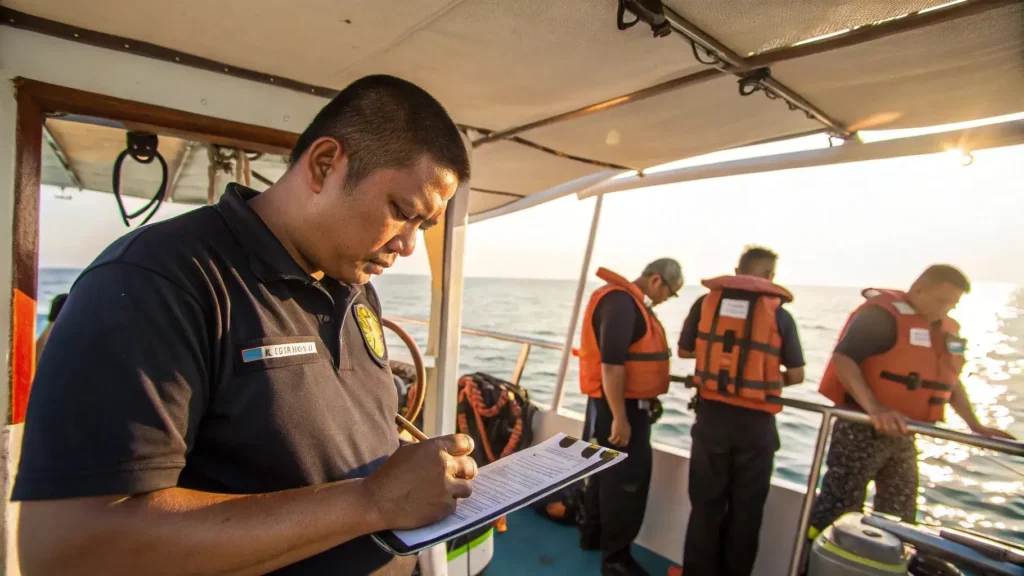
Vessel safety is not just about size, facilities, or a polished exterior. A boat that looks fine can hide serious risks if routine maintenance is neglected. According to Hasyim Anggu, many sinkings aren’t caused by storms but by accumulated minor negligence: unserviced engines, dirty fuel tanks, or subtle leaks. “I’d rather replace an engine early than take a risk. The main engine is the vessel’s lifeline,” he says.
Ibrahim adds that maintenance must be thorough, from docking and painting to engine components. “An engine isn’t just about running or not. Fuel and oil must be clean, water tanks checked, and all sensitive parts inspected. A breakdown in the middle of waves is a life-threatening risk.” Maintenance involves coordination with the Chief Engineer (KKM) to ensure all systems function optimally.
Recognizing early signs of trouble is also crucial. Shifts in the vessel passing through currents or unusual engine sounds can alert the captain to take quick action, slowing down, changing course, or delaying departure until conditions are safe. Fatal mistakes usually happen when a vessel is forced to sail in unsuitable conditions or when technical decisions are ignored.
With over 20 years of experience, Hasyim and Ibrahim stress a simple principle: a safe boat is one that is meticulously maintained, monitored daily, and treated with discipline. These measures are not formalities, they are part of a safety culture that saves lives.
Crew, Certifications, and Standards That Save Lives
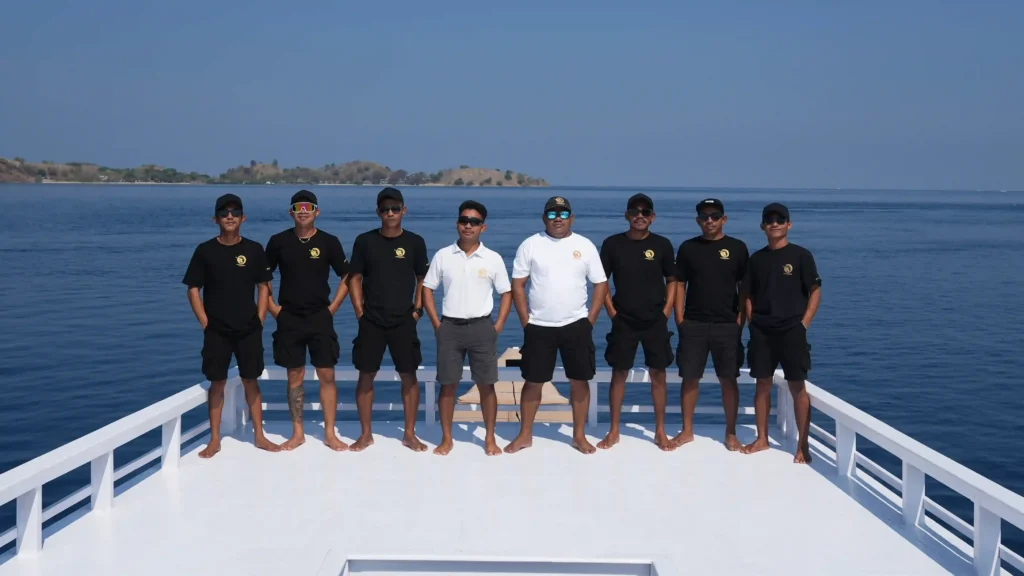
Safety depends not only on the captain but also on a trained, disciplined crew with proper certification. Hasyim Anggu stresses, “Crew must know their duties and always follow the captain’s instructions. When waves rise or weather changes, crew readiness can determine safety. Life jackets must always be ready, passengers in safe positions, and no one should sleep in certain conditions.”
Ibrahim adds that every crew member must hold certifications according to their role. Captains must have radio certificates for short and long distances (SRC and REOR), navigation diploma, seaman book, BST, and MPR certifications. The Chief Engineer must hold BST, seaman book, and technical knowledge to manage the engine effectively. Other crew members must have BST and seaman books. “This isn’t just formalities,” says Ibrahim. “In emergencies, certification ensures everyone knows exactly what to do without confusion.”
Vessels must also meet layered safety standards. Life jackets are available in every cabin and main deck, along with buoys, life rafts, rescue boats, fire extinguishers for wood or cables, and fully equipped first aid kits including oxygen. All equipment is checked routinely, and before sailing, the harbor authority inspects the vessel and issues a safety certificate. According to Hasyim, “If a vessel isn’t fully equipped or equipment isn’t checked, it won’t get clearance. That’s a safety system that cannot be compromised.”
Decades of experience show that experienced captains always enforce discipline and standards without compromise. From engine inspections to crew coordination, every step ensures each voyage is safe, comfortable, and trustworthy. Safety in Komodo waters is the result of collaboration between the captain, crew, and consistent operational standards.
The Philosophy of Safe Sailing: Experience, Discipline, and Respect
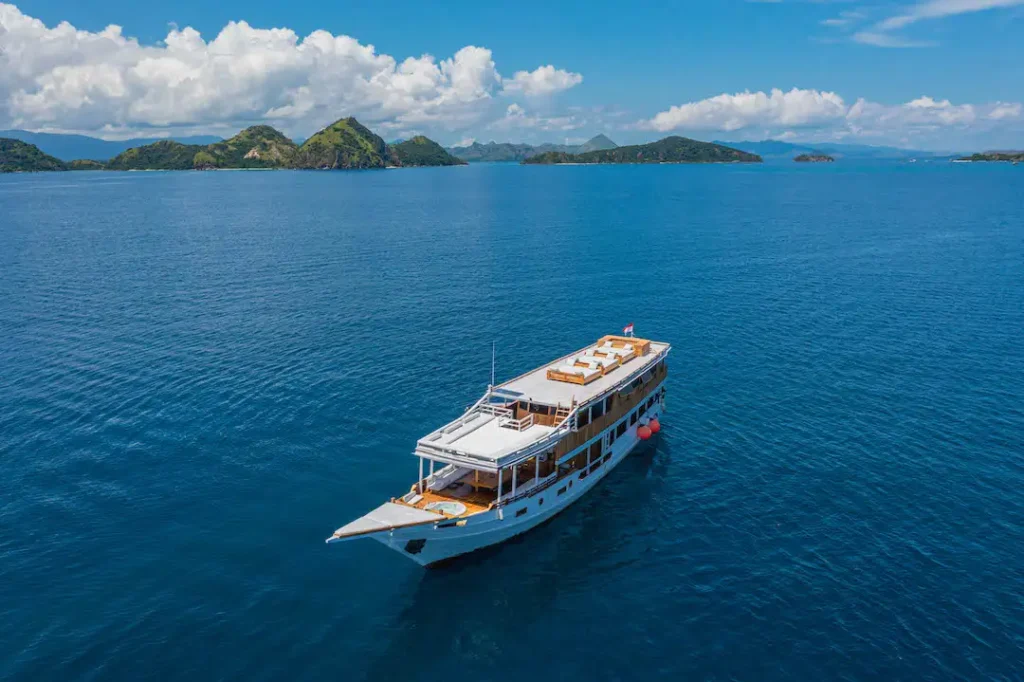
For Hasyim Anggu and Ibrahim, sailing in Komodo isn’t just a job, it’s a philosophy. Safety always comes first, even over schedules or other interests. “Nothing is more important than lives on board. Every decision, from slowing the vessel to delaying departure, is based on experience and direct observation of the sea,” says Hasyim.
Decades of experience form instincts that certificates or technology cannot replace. Ibrahim adds, “A vessel may be advanced technologically, but if the captain doesn’t accurately read currents, waves, and weather, the risk remains high. Our philosophy is simple: respect the sea, don’t force it, and always maintain discipline in safety standards.”
Discipline is not only for the crew but also the captain. From routine engine checks to ensuring all safety equipment functions and constant communication with the crew, every action prevents minor mistakes from becoming disasters. Respect for Komodo’s nature is a core principle: understand the sea’s power, never underestimate currents, and anticipate weather changes. This philosophy is the foundation that makes every trip safe and enjoyable for passengers.
Respect the Sea, Trust the Captain, and Experience Komodo Liveaboard Safely with Us!
Hasyim and Ibrahim emphasize one thing: safety at sea is the result of a combination of experience, discipline, and trust. “The sea is always stronger than humans. Our job is to respect it, prepare the vessel and crew, and make wise decisions. Passengers who follow the captain’s instructions will enjoy a safe and unforgettable experience,” says Hasyim.
With experienced captains, disciplined crew, well-maintained vessels, and strict safety standards, every Komodo liveaboard becomes a comfortable and secure experience. The Komodo seas are powerful, but with captains who understand every current, wave, and weather pattern, sailing is not only spectacular but also safe and serene. As Hasyim says, “Trust your captain, respect the sea, and enjoy the journey. That’s what makes sailing in Komodo truly special.”
Together with IndonesiaJuara Trip and Komodo Luxury, tour operators from Juara Holding Group with over 10 years of experience organizing Komodo sailings, every trip is run with safety as the top priority. From vessel and engine checks to crew coordination and maneuvers in challenging waves, everything is done to ensure passenger safety. With experienced captains like Hasyim Anggu and Ibrahim, who truly know every corner of Komodo waters, your journey is guaranteed to be safe. Every decision and maneuver is made carefully, so your sailing experience in Labuan Bajo is not only beautiful but also comfortable and worry-free.
Book your Komodo Island tour now, and enjoy a safe and unforgettable sailing adventure with us!

Related Article
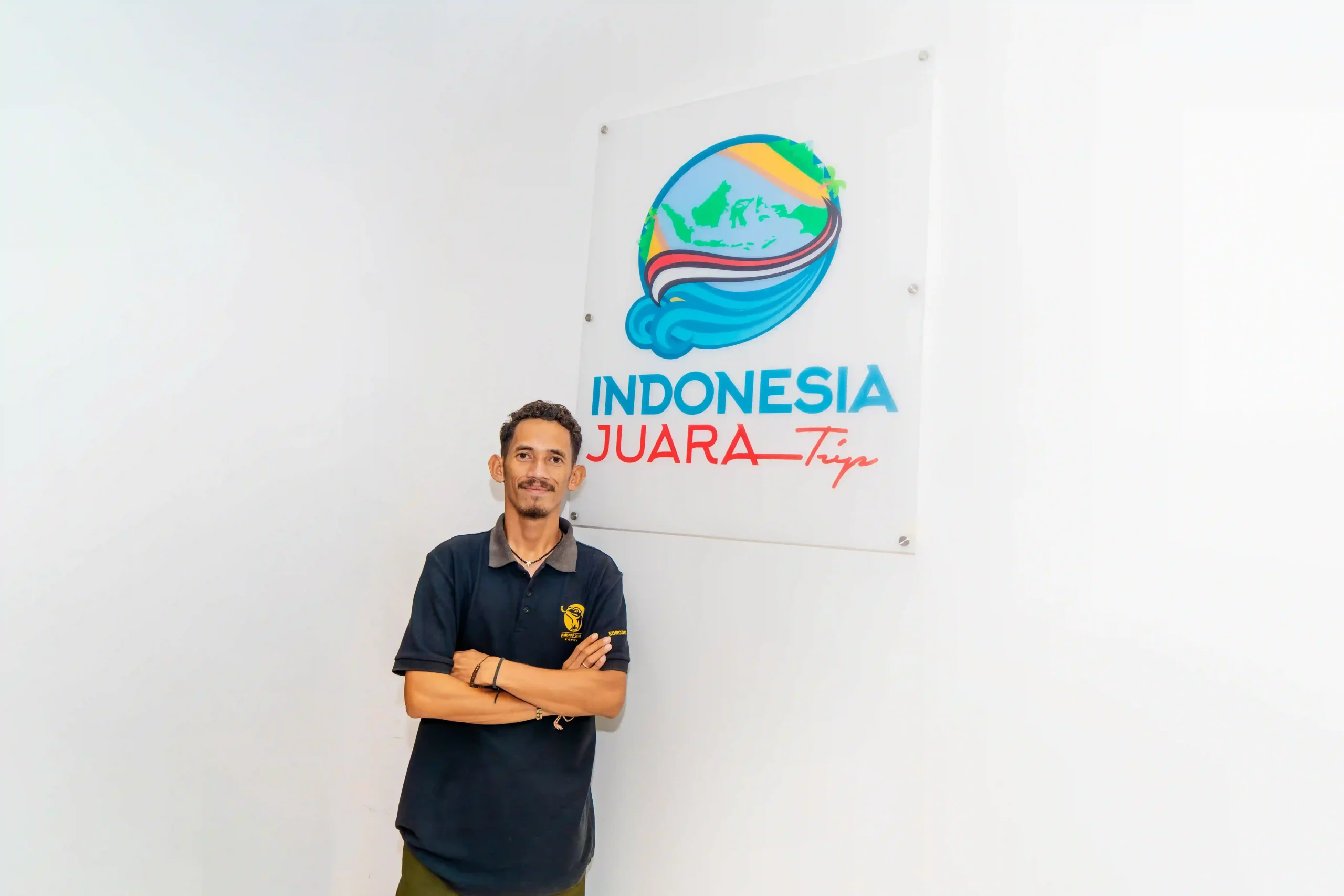
Journey of Andro: The Tour Guide in Labuan Bajo Who Changed His Life Through the Sea and Stories of Tourists
If you visit Labuan Bajo, there’s a good chance you’ll...
If you visit Labuan Bajo, there’s a good chance you’ll meet Rubio Meiliandro Stenleyfizer, better known as Andro, a tour...
![[JHG EN] Komodo Luxury Wins Tripadvisor Travelers' Choice Award 2025](https://juaraholding.com/wp-content/uploads/2025/07/JHG-EN-Komodo-Luxury-Wins-Tripadvisor-Travelers-Choice-Award-2025-.webp)
Komodo Luxury Wins Tripadvisor Travellers’ Choice Awards 2025
Labuan Bajo, July 24, 2025 – Komodo Luxury, a premium...
Labuan Bajo, July 24, 2025 – Komodo Luxury, a premium tour operator and subsidiary of Juara Holding Group, has recently...

IndonesiaJuara Trip Wins Tripadvisor Travellers’ Choice Awards 2025
Labuan Bajo, Indonesia – IndonesiaJuara Trip, a subsidiary of Juara...
Labuan Bajo, Indonesia – IndonesiaJuara Trip, a subsidiary of Juara Holding Group, has proudly been named a Winner of the...






Copyright © 2026 Juara Holding Group. All Rights Reserved